Upcoming Events
A programme of events for 2025-2026 is coming soon.
Past Events
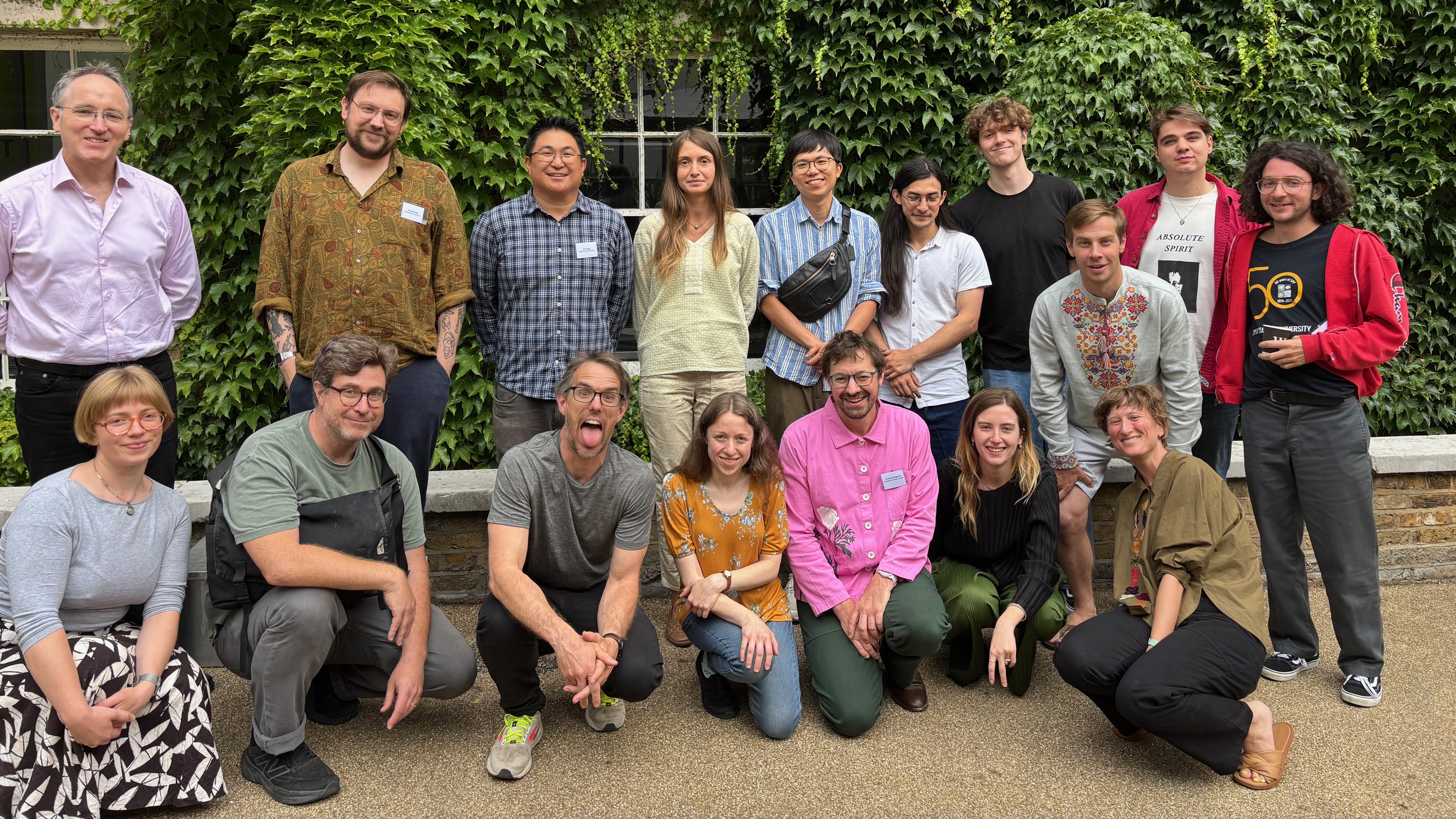
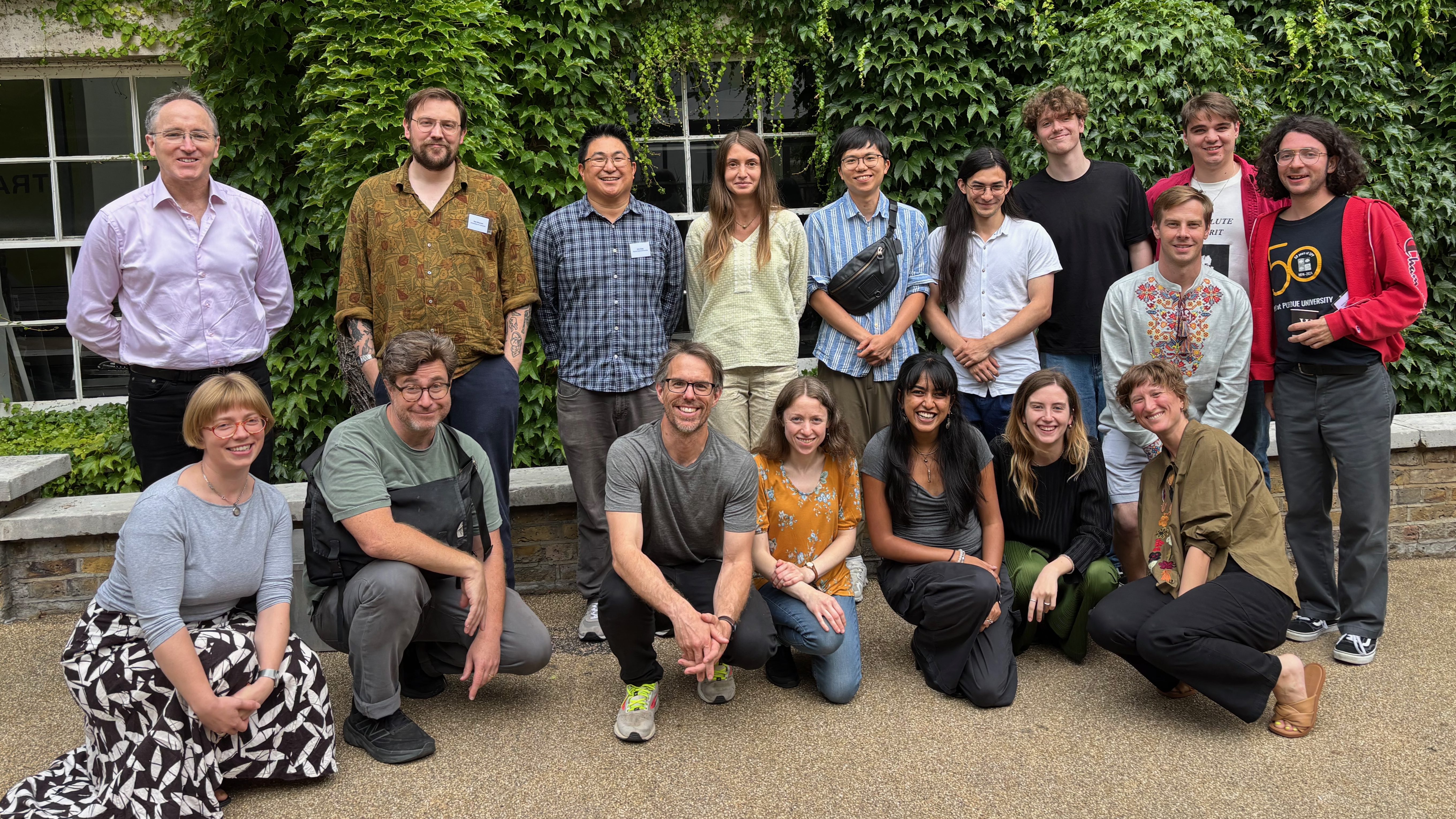
Summer Workshop 2025: Spontaneity
University College London 4th-5th July
Emily McTernan (University College London) – ‘Don’t Google me: Freedom, Spontaneity, and the Right to an Open Future’
Pablo Fernandez Velasco (University of Stirling) – ‘The Aesthetics of Being Lost: Spontaneous Freedom and Environmental Experience’
Karl Schafer (University of Texas) ‘The Principle of Insufficient Reason and the Possibility of Freedom’
Tom Whyman (University of Liverpool) – ‘Fanon, Violence, and Spontaneous Freedom’
Ting Fung Ho (Duke University) ‘Spontaneous Freedom in Perception: Mindfulness Beyond Categorization’
Elena Holmgren (University of British Columbia) ‘Group Flow as Spontaneous Collective Agency: A Phenomenological Account’
Brian O’Connor (University College Dublin) – ‘Idleness as Spontaneity without Autonomy’
Eric Yang (Santa Clara University) ‘Ritual and Spontaneity’
Xiaochen Zhao (Independent Scholar) ‘Freedom as Ontological Spontaneity: Heidegger’s Aesthetic-Phenomenological Recasting of Kant’
With comments from Amin Ebrahimi Afrouzi (UCLA), David Chandler (UCL), Ayesha Chakravarti (UCL), Isabel Herburger (Rutgers), Lizzy Holt (UCL), Kirstine la Cour (UCL), Ethan Nowak (Stanford) and Charles Petersen (Stanford)
The Spontaneity of Freedom Lecture Series

Inaugural Lecture: Berislav Marušić
The Ethicist and the Ontologist: On Self-Prediction in Practical Reasoning
Sometimes there is something problematic about self-prediction in practical reasoning. For example, the smoker who reasons that, since they are likely to smoke in the future, they should not take steps to quit as they are likely a wasted effort, is making a mistake. But what sort of mistake is it? The Ethicist holds that the mistake is fundamentally ethical: it’s an objectionable opportunism that excuses the satisfaction of a questionable preference. Thus, the smoker who refuses to quit on the grounds that he is likely to smoke again is finding an excuse for his bad habit. The Ontologist holds that the mistake is fundamentally ontological: it’s a mistake about the nature of freedom. Thus, the smoker who refuses to quit on the grounds that he is likely to smoke again treats his smoking as something that is not up to him but as a mere outcome, like the drawing of a lottery.
In this paper, I examine the depth of the disagreement between the Ethicist and the Ontologist. I argue that, despite various arguments against the opposing position, they are not fundamentally inconsistent. My main thesis is that mistakes about freedom are mistakes of freedom: An ontological mistake about our freedom is an ethically mistaken instance of choice. This is why, despite differences in emphasis, the Ethicist and the Ontologist can be reconciled.
 The Spontaneity of Freedom